Agri-Food Systems Development

we strengthen food systems for a sustainable future for people and the planet advancing resilient agricultural value chains, inclusive markets, nutritious diets, and sustainable livelihoods. through evidence-based interventions, strategic partnerships, and market-oriented solutions, we address systemic food-system challenges while enabling communities, enterprises, and institutions to thrive.

1 in 3

people suffers from at least one form of global malnutrition today.
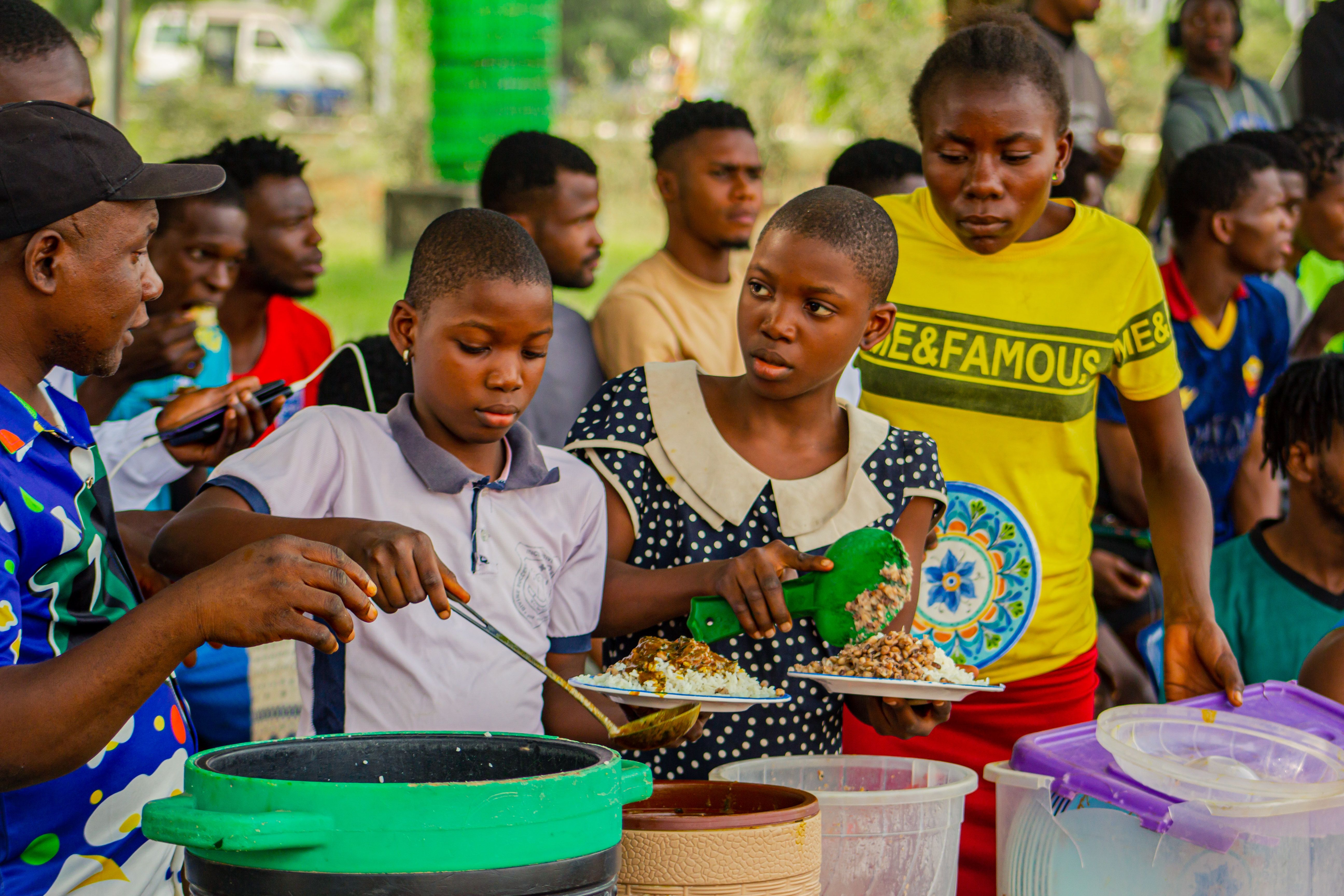
traditional meal preparation
673M

individuals experienced hunger globally throughout 2024.

food security
2.3B

people faced moderate or severe food insecurity conditions.

community support
45%

of deaths among children under five are associated with malnutrition.

child welfare

the human & economic toll

poor diets contribute to 1 in 5 deaths globally, highlighting the profound human and economic costs of inadequate food systems. despite progress in some regions, africa remains the epicenter of the global hunger crisis, with 307 million people affected and the world still off track to achieve sdg 2 (zero hunger).

our strategic interventions target these systemic bottlenecks directly by integrating innovative market mechanisms, reducing losses, and elevating nutritional standards across vulnerable communities.

east african landscape

climate variability, low agricultural productivity, post-harvest losses, and weak market systems continue to constrain access to nutritious food across the region, reinforcing the urgent need for resilient and inclusive food systems.

Cross-Cutting Themes & Systemic Challenges

East africa's food systems stand at a critical crossroads, where the convergence of environmental, economic, and social challenges continues to undermine resilience, inclusivity, and sustainability across agricultural value chains.

climate change dry forest scene

Climate change

Greenhouse gas emissions, rising temperatures, erratic rainfall, prolonged droughts, floods, and ecosystem changes are increasingly reshaping global food systems. These climate pressures are reducing crop and livestock productivity, degrading soil and water resources, and increasing pest and disease risks, with smallholder farmers among the most affected.

Across kenya, uganda, tanzania, and rwanda, changing weather patterns and extreme events continue to disrupt agricultural production and threaten rural livelihoods. Addressing these challenges requires scaling climate-smart agriculture, sustainable land management, ecosystem restoration, and adaptive practices.

weak agricultural value chains warehouse

Weak agricultural value chains & market systems

Smallholder farmers contribute significantly to east africa’s food production. However, many remain disconnected from efficient markets, reliable buyers, and value addition opportunities.

Agricultural value chains face structural challenges including fragmented supply systems, limited aggregation, inadequate storage and logistics infrastructure, weak processing capacity, and high post-harvest losses that reduce market competitiveness.

urbanization and demographic challenges

Demographic challenges & urbanization

With a rapidly growing population of young people entering the labor market in east africa, youth unemployment remains a critical challenge due to limited job creation, skills gaps, and constrained access to finance.

Creating an enabling environment through skills development, mentorship, and entrepreneurship support equips youth to participate meaningfully in the sustainable economy.

environmental degradation deforestation

Environmental degradation

Natural resources, landscapes, forests, soils, and ecosystems that support food production and livelihoods are increasingly threatened by unsustainable land use, deforestation, biodiversity loss, and soil degradation.

These pressures undermine ecosystem health, reduce agricultural productivity, and weaken food system resilience, highlighting the urgent need for sustainable land management and regenerative agriculture.

limited access to resources

Limited access to resources

Despite agriculture being a major source of livelihoods in east africa, many farmers and agribusinesses face limited access to essential resources such as quality inputs, finance, technology, extension services, and agricultural knowledge.

The world bank estimates that smallholder farmers account for a significant share of agricultural producers, yet many remain constrained by low access to productivity-enhancing investments.

gender inequality portrait

Gender inequity

Gender inequality remains a significant barrier to inclusive development, limiting equal access to opportunities, resources, decision-making, education, and economic participation across vulnerable rural communities.

Addressing gender disparities is essential for building equitable societies, empowering communities, and achieving sustainable development and nutritional outcomes across the entire food systems framework.

The critical crossroads of food systems

East africa's food systems stand at a critical crossroads. The convergence of environmental, economic, and social challenges continues to undermine the resilience, inclusivity, and sustainability of agricultural systems. At the same time, rapid population growth, urbanization, changing dietary preferences, and increasing demand for safe, nutritious, and affordable food are placing unprecedented pressure on food production and distribution systems. Agriculture remains the backbone of many economies, employing over 60% of the region's workforce and supporting the livelihoods of millions of smallholder farmers, yet persistent systemic constraints continue to limit productivity, competitiveness, and long-term growth.

Key implications

  • Rising pressure to produce more food with fewer natural resources.
  • Increasing demand for efficient, resilient, and market-oriented food systems.
  • Greater need for innovation, technology adoption, and sustainable agricultural transformation.
  • Accelerated action to achieve food security, resilient livelihoods, economic growth, and the sustainable development goals (sdgs).

The convergence of these trends and challenges underscores the urgency of transforming food systems through integrated, evidence-based, and inclusive approaches that strengthen resilience, sustainability, and long-term development, restore natural ecosystems, expand equitable access to productive resources, and promote inclusive participation across the food system.